
ARN Security service brief
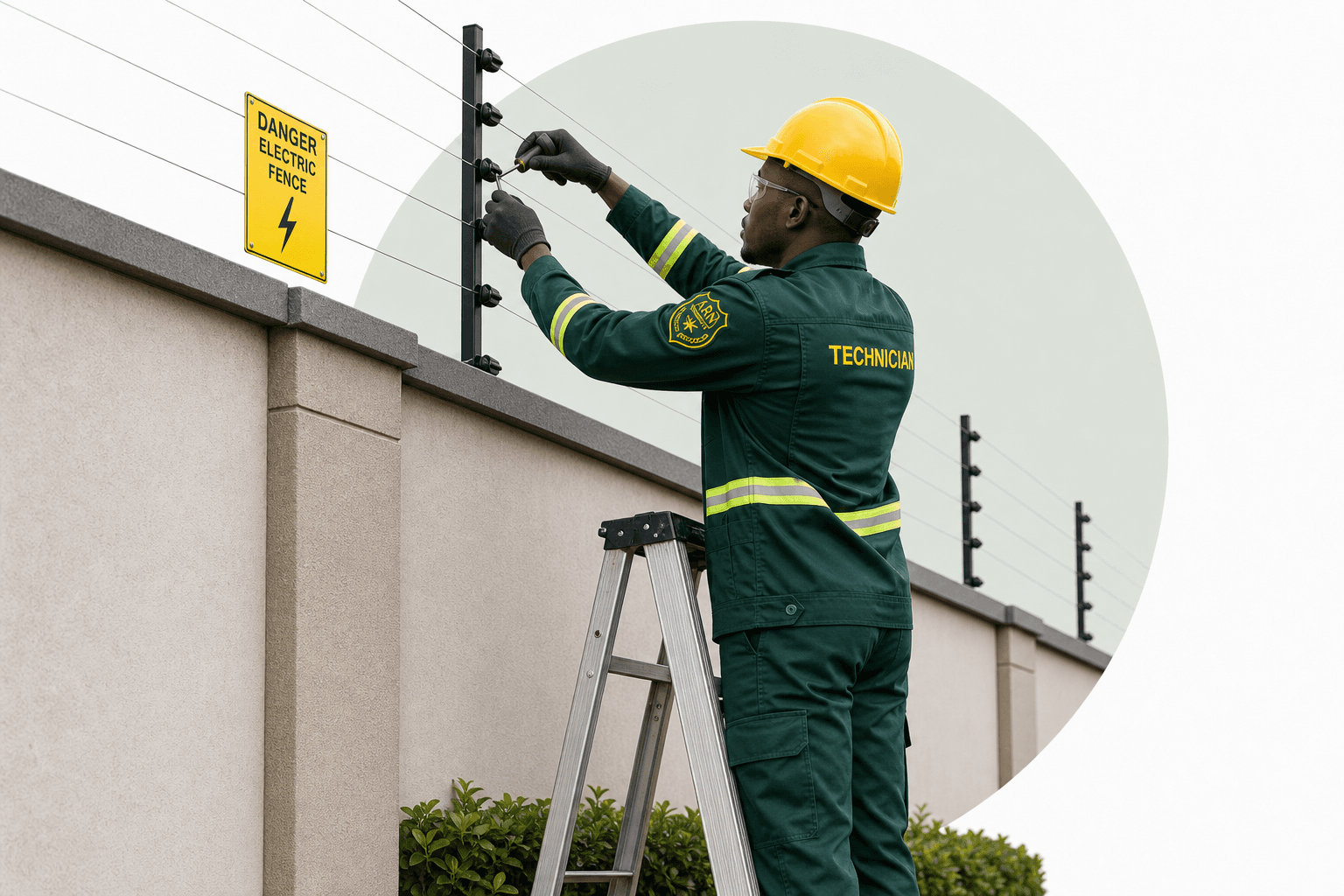
Electric Fence Installation
A surveyed perimeter solution that combines boundary deterrence, safe installation, testing, warning, and ongoing inspection.
- A clearly defined and tested perimeter
- Power, backup, warning, and integration needs resolved
- A maintenance path for faults and vegetation exposure
Decision brief
At a glance
- Best fit
- Compounds, estates, storage areas, yards, and sites where boundary weakness is a known concern.
- First step
- Survey the full boundary, entry points, neighboring exposure, power, and existing wall or fence condition.
- Preparation
- Provide boundary access, ownership confirmation, power information, existing drawings, and known underground or overhead hazards.
- Implementation range
- From a short boundary installation to a phased perimeter project. Timing depends on boundary length, wall condition, access, power, civil work, vegetation, weather, and integration requirements.
Included work
What ARN provides
- Perimeter survey and boundary classification
- Zone, energizer, power, and backup design
- Warning, integration, installation, and testing
- Handover, inspection, and maintenance guidance
Engagement sequence
How implementation works
- 01
Survey
Measure the boundary and review height, materials, access, vegetation, power, and public exposure.
- 02
Design
Set zones, supports, power and backup, warning signs, integration, and maintenance access.
- 03
Install
Complete the approved supports, wiring, equipment, earthing, labeling, and connections.
- 04
Test
Verify zones, alarms, power loss, integration, safe operation, handover, and inspection records.
Service-specific controls
Operational detail
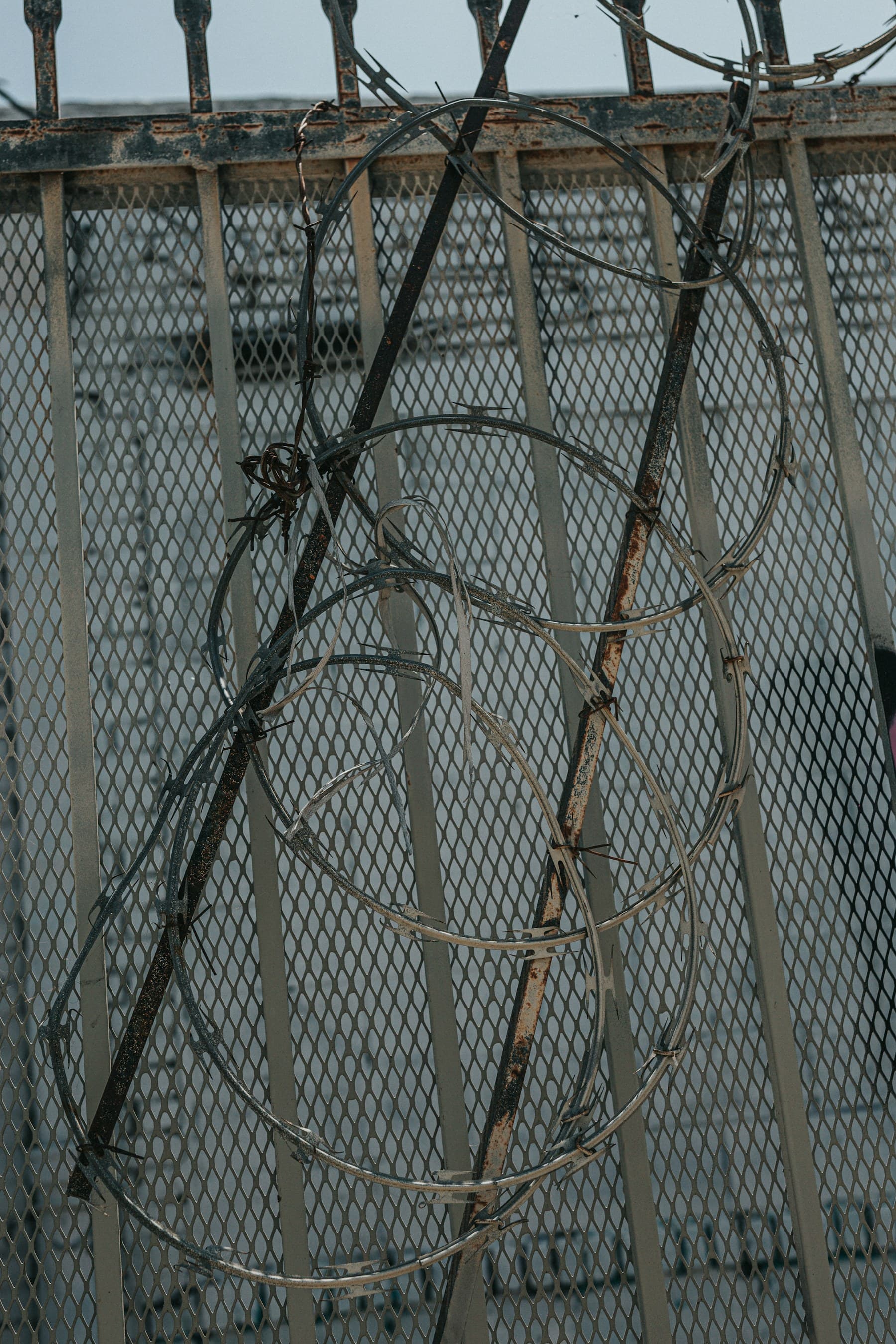
- Barbed wire is a lower-cost passive deterrent but provides less detection and active warning.
- Electric fencing is an active perimeter deterrent that requires correct power, earthing, warning, inspection, and maintenance.
- For higher protection, ARN may recommend integrating electric fencing and barbed wire with cameras, lighting, guarding, or response.
Shared readiness
Client preparation and responsibilities
- Confirm lawful boundary rights and approvals.
- Keep the perimeter accessible and vegetation controlled.
- Report damage, repeated alarms, or power faults promptly.
Assurance
Quality control and review
- Zone and voltage testing
- Power-loss and alarm checks
- Handover record and inspection schedule
Scope clarity
Scope boundaries
- Final design depends on survey, site construction, power, and applicable safety requirements.
- Barbed wire alone is not equivalent to a monitored electric perimeter.
- Civil repairs and major power works are separate unless included.
Operational questions
Questions clients often ask
Is barbed wire an option?
Yes. It can be a lower-cost passive deterrent, but it is less secure than a correctly designed active electric perimeter.
Can both systems be combined?
Yes. Where justified by the survey, integrated electric fencing and barbed wire can provide layered delay and deterrence.
What maintenance is needed?
Regular inspection should cover vegetation, physical damage, voltage, earthing, backup power, alarms, and warning signs.
Layered protection
Related services
Choose the next useful step
Turn the service brief into a site-specific plan.
Use the guided report for a structured first read, or speak directly with ARN about the site and operating context.